
The Practice
3S overview
This overview outlines Jinendra Kothari's holistic approach to achieving sustainable happiness through body, breath, brain, and emotion-based exercises and techniques.
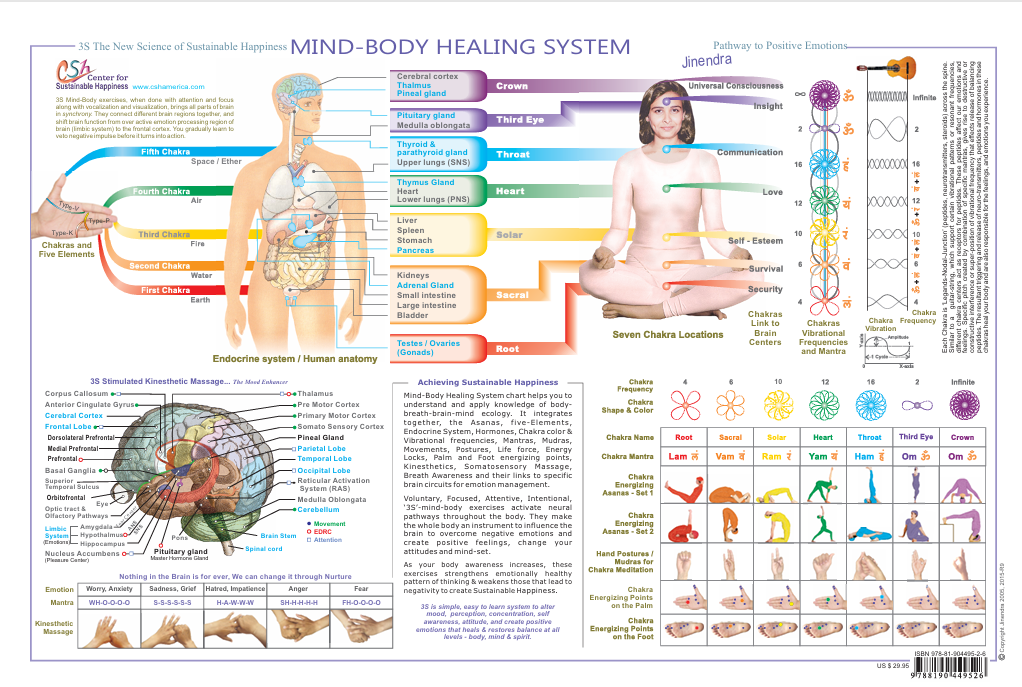
The Practice · Signature framework
3S is the New Smart Science of Sustainable Happiness
A new paradigm for effectively managing emotions and behavior
BODY + BREATH + BRAIN = MIND
Jinendra's signature device — not generic wellness iconography, but a living map of how sustainable happiness is practiced.
3S is Jinendra's living map for practice: tend the Body, steady the Breath, clarify the Brain — and the Mind becomes a clear instrument for sustainable happiness, not a mood chased by circumstance.
- Body I
- Physiology & movement
- Food, rest, exercise, mudras, and the physical ground of practice. The body is not an obstacle to spirit — it is the first field of awareness.
- Breath II
- Prana & the missing link
- Conscious breathing steadies the nervous system, bridges body and brain, and opens the door to meditation. Pranic Breathing is the foundation of the JYM path.
- Brain III
- Thought & perception
- Mind management through awareness — observing thought without grasping, reframing reactivity, and cultivating equanimity in daily relationship.
- Mind IV
- Integrated wholeness
- When body, breath, and brain work in harmony, the mind becomes a clear instrument — not a prison of craving and aversion, but a field for sustainable happiness.


Full teaching summary
Key themes from Achieving Sustainable Happiness — practice notes across body, breath, brain, emotion, and meditation.
I
Holistic Approach to Sustainable Happiness
The 3S system integrates body movement, breath, brain, and mind to manage emotions and behavior. It emphasizes gentle, equipment-free exercises that rewire the brain, reduce stress, and enhance physical and mental health. The approach is accessible for all ages and backgrounds, promoting self-empowerment and positive attitudes. Rather than chasing fleeting pleasure, 3S trains attention where it matters — tend the body, steady the breath, clarify the brain — so the mind becomes a clear instrument for lasting well-being. Practice is simple enough for daily life yet deep enough to shift habits, mood, and outlook over time.
II
Brain-Body-Emotion Connection
Movements influence brain chemistry and physiology, activating neural pathways that improve mood and health. Simple actions like breathing, stretching, and movement impact hormones, nervous systems, and immune responses, fostering calmness, focus, and emotional regulation.
III
Practical 3S Exercises and Benefits
3S exercises are fun, low-impact, and adaptable anywhere — at home, at work, or while traveling — with no special equipment required. They improve flexibility, strength, and balance while reducing stress and emotional reactivity. Mudras, postural breath, and mindful movement work together to lift energy, sharpen focus, and settle the nervous system. Regular practice builds confidence, emotional resilience, and a steadier baseline of well-being you can return to whenever life gets loud.
IV
Mind-Emotion Regulation Strategies
The system teaches cognitive reframing, positive thinking, and self-awareness to control negative thoughts and beliefs. It emphasizes the influence of subconscious mind, perceptions, and expectations on health and happiness, promoting proactive emotional management.
V
Brain Anatomy and Functions
The brain's structure includes the cerebral cortex, limbic system, thalamus, hypothalamus, cerebellum, and brainstem. The cortex processes sensory data, memory, learning, and decision-making. The left hemisphere handles logical analysis, language, and reasoning, while the right manages holistic perception, visual-spatial skills, and multi-sensory integration. The frontal lobe governs cognition, personality, and voluntary movement; parietal processes sensory input; occipital interprets vision; temporal manages hearing, speech, and memory. Limbic system, including amygdala and hippocampus, regulates emotions, memory, and biological rhythms. The thalamus acts as a central processing hub, and the hypothalamus controls autonomic functions and hormone regulation. The reticular activating system maintains arousal, and the cerebellum coordinates movement. Brain stem manages vital functions like breathing, blood pressure, and digestion.
VI
Brain-Body Connection and Neuroplasticity
The brain and body are interconnected through neuroplasticity, allowing regeneration and reconfiguration via diet, exercise, breathing, and thoughts. The limbic system influences emotions and habits, with the frontal cortex responsible for intellectual functions. Changing brain states involves attention, focus, and regular practice to develop new neural pathways. Emotions originate in the limbic system and can influence physical health, immunity, and mood. Techniques like meditation, breathing, and movement can shift brain states from undesirable to desirable, promoting happiness and well-being.
VII
Endocrine and Nervous System Integration
The endocrine system produces hormones that circulate in blood, maintaining internal balance. It links with the nervous system via the brain, especially the hypothalamus, which regulates autonomic functions, appetite, and pleasure centers. Hormonal balance affects physical health, mood, and stress response. The endocrine and nervous systems work together to influence emotions, energy, and overall health.
VIII
Stress Management and Emotional Regulation
Stress results from external demands and internal reactions, affecting biochemical pathways and immunity. Stress symptoms include worry, anxiety, and physical tension. The 3S system offers movement, breathing, and relaxation exercises to reduce stress, improve mood, and enhance resilience. Techniques include deep breathing, laughter, meditation, and cognitive re-framing. Regular practice helps rewire neural pathways, reduce habitual negative responses, and foster positive emotions. Laughter and play are powerful tools to lower stress hormones and boost immunity.
IX
Self-Empowerment and Happiness Principles
The training emphasizes habits, positive thinking, and genuine affection as keys to happiness. It advocates for reducing self-centeredness, cultivating gratitude, and practicing kindness. Gaining emotional balance involves understanding oneself, managing fears through affection, and creating harmony in relationships. The system promotes visualization, mudras, and mindful movements to enhance personal power, tolerance, and peace. Happiness is seen as a product of balanced actions, thoughts, and emotional connections.
X
Mind-Body Connection and Emotional Influence
The 3S system emphasizes awareness of sensations in the body and understanding the coin-like nature of physical-mental phenomena. Thoughts and emotions arise in the mind, while intentional movements affect respiration, which in turn influences thoughts and feelings. This approach shifts brain activity from automatic limbic responses to conscious frontal cortex control, fostering positive emotions and sustainable happiness.
XI
Molecules of Emotions and Their Impact
Emotions are biological molecules like peptides, neurotransmitters, and steroids that influence body and mind. Positive feelings increase endorphins, boosting health and immunity, while negative emotions elevate cortisol, risking health issues. Emotions affect biochemical messages throughout the body, shaping memory, behavior, and health by activating specific peptides linked to feelings like bliss or self-love.
XII
Reframing and Behavioral Change Techniques
Reframing alters perception by changing event meaning, leading to different responses. The six-step reframe identifies positive intentions behind behaviors and finds alternative actions to satisfy them. Techniques like modeling, parts integration, and indirect communication help modify beliefs, improve behavior, and access unconscious resources, fostering healthier habits and attitudes.
XIII
Awareness, Acceptance, and Attitude for Inner Transformation
The 3A's—awareness of thoughts and feelings, acceptance of oneself, and positive attitude—are core to transforming responses. Practicing these steps in daily life, including body and work situations, cultivates positivity, reduces judgment, and guides intentional change. Reinforcing positive attitudes through resolve supports sustainable happiness.
XIV
Breathing and Movement for Health and Emotional Regulation
Breathing is vital for health, emotional balance, and mental clarity. Techniques include conscious awareness, controlled modulation, and movement-based breathing. Different breathing patterns relate to emotions: slow, smooth breath promotes relaxation; rapid, shallow breath indicates tension. Deep diaphragmatic and full breaths enhance healing, reduce stress, and improve vitality.
XV
Practical Application of 3S Techniques
The system integrates posture, mudras, sound, touch, and attention to optimize breathing, emotions, and behavior. Practices like full, diaphragmatic, and motion breath, along with visualization and self-healing, support physical and mental well-being. Regular practice fosters resilience, creativity, and a pathway to sustainable happiness.
XVI
Breathing Techniques and Their Benefits
Breathing can be controlled to aid healing. Normal rate is 12-15 breaths per minute, but practice aims for 6-8. Postural (sectional) breathing and Mudra Healing Breath direct breath to upper, middle, or lower lung lobes. Nose breathing humidifies, filters, and produces nitric oxide, which destroys pathogens, regulates blood flow, and supports neurotransmission. Mouth breathing reduces oxygenation, causes hypocapnia, vasoconstriction, and stress, impairing health. Slowing breath enhances relaxation and oxygenation, vital for healing. Conscious breathing improves lung capacity, reduces stress, and balances mind and body.
XVII
Postural and Mudra Healing Breath Exercises
These exercises involve specific postures, hand mudras, and breath ratios learned from trained teachers. They promote rejuvenation, increase lung capacity, and help dissolve ego. Techniques include inhalation, breath-holding, exhalation, and emptiness, with ratios like 4:2:5:2. Mudras direct prana to lung lobes or entire body, aiding specific ailments. Variations include experiments with breath direction and hand positions to influence energy flow. Regular practice fosters relaxation, coordination, and energetic balance.
XVIII
Importance of CO2 and Nose Breathing
CO2 is essential for oxygen release, blood flow, and nerve stability. Proper CO2 levels prevent vasoconstriction and hypoxia. Nose breathing produces nitric oxide, supporting immune defense and vascular health. Mouth breathing causes hypocapnia, leading to stress, inflammation, and reduced oxygenation. The brain's medulla regulates breathing via chemoreceptors sensitive to CO2 and O2. Maintaining balanced CO2 is crucial for health, healing, and mental clarity.
XIX
Self-Healing and Meditation Practices
Meditation and prayer cultivate inner peace, mental clarity, and spiritual connection. Techniques include awareness of breath, visualization, and specific meditations for divine connection. Regular practice reduces stress, enhances self-awareness, and accelerates healing. Meditation involves deep sensing, living in the present, and releasing karmas. It strengthens emotional health, balances chakras, and fosters divine love. Proper posture, breath, and focus are essential for effective self-healing and spiritual growth.
XX
Guided Meditation Techniques and Practices
Various audio CDs and practices like Divine Love, Heart, Cleansing, Serenity, and Consciousness journeys support meditation. Establishing a daily 3S practice involves consistent timing, a quiet space, and a specific posture. Preparation includes energy cleansing through water splash and face rinsing. Centering begins with breath exercises, gentle rocking, and mindful affirmations. Ending meditation requires slow transition, body awareness, and self-remembrance to carry mindfulness into daily life. Regular practice enhances mental clarity, emotional stability, and physical health.
XXI
Meditation Guidelines and Benefits
Meditation is mind management, focusing on stilling thoughts and experiencing inner silence. It differs from relaxation, concentration, or self-hypnosis by promoting awareness beyond thought activity. Techniques vary from object-focused to objectless, aiming for increased presence, non-judgmental observation, and non-reactivity. Benefits include reduced stress, improved health, emotional balance, and spiritual growth. Regular practice fosters happiness, compassion, and self-awareness, with early mornings being ideal for meditation.
XXII
Common Questions and Concepts
Meditation is not a religion but a universal tool for inner peace. It involves ethical self-discipline and gradual approach. The process trains neutrality, reveals impermanence, and reduces cravings. Pain during meditation is natural; awareness and acceptance help manage it. Grounding stabilizes energy, and living from the heart center deepens self-awareness. Developing a teacher can aid learning, but self-practice is effective. Sanskaras are subconscious impressions shaping responses, and meditation helps dissolve mental conditioning.